Research
My academic work focused on terrestrial gamma-ray flashes (TGFs) — intense bursts of high-energy radiation associated with lightning — and the thunderstorm / lightning conditions that produce them.
During my PhD and a short postdoc at Montana State University I:
- Analyzed large atmospheric time-series datasets with Python and SQL, using statistical modeling and machine learning (including HDBSCAN-based clustering of thunderstorm patterns)
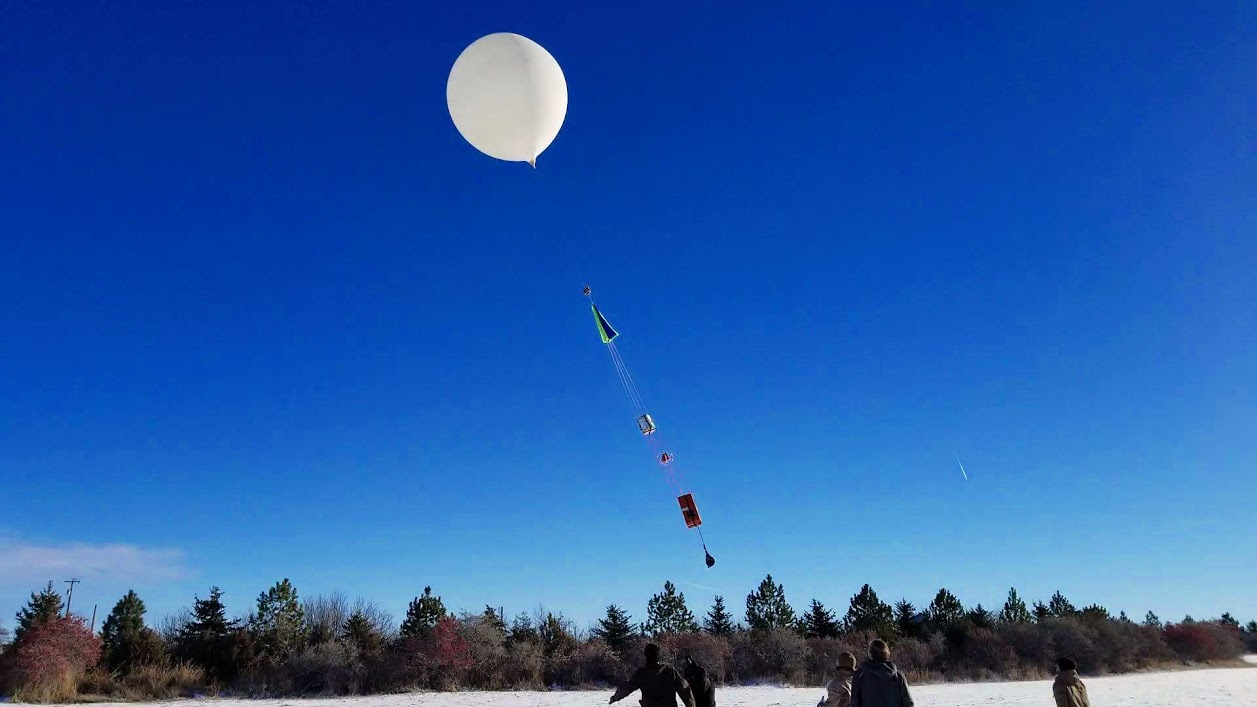
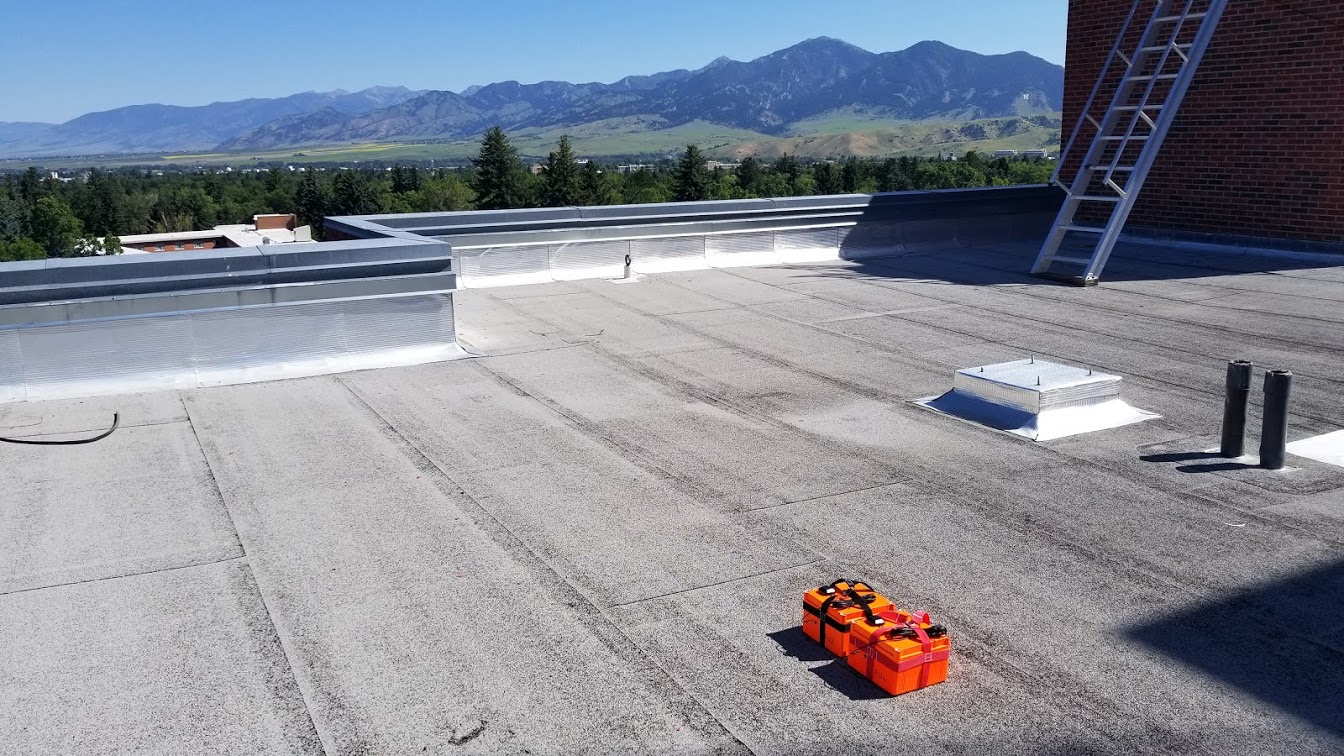
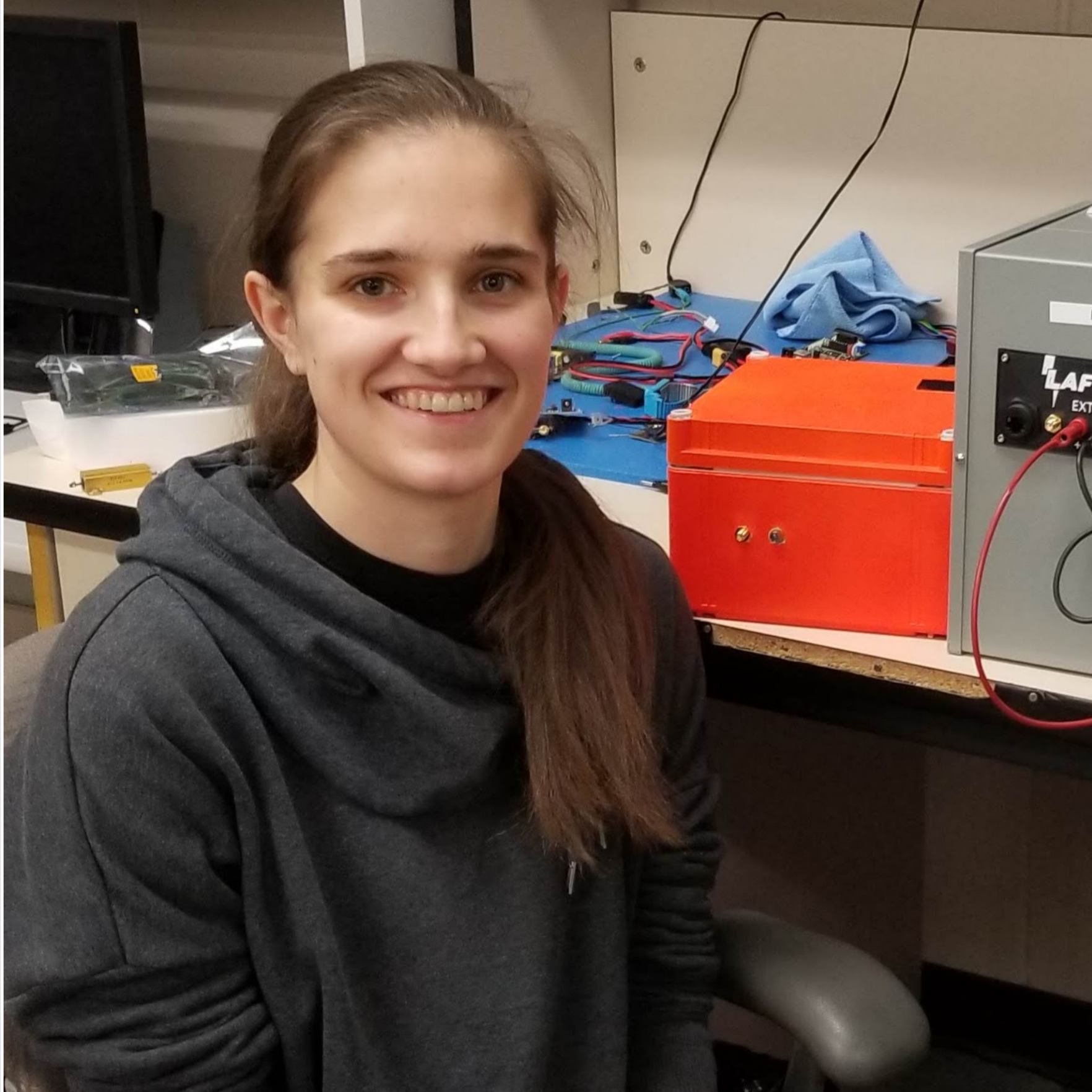
- Helped build and deploy LAFTR, a light, fast TGF detector for balloon and ground observations
- Published peer-reviewed results in Journal of Geophysical Research and Geophysical Research Letters
Publications
The Relationship Between Instantaneous Lightning Flash Rates and TGF Production in Thunderstorms
TGFs, which are very intense bursts of high energy radiation that are produced by some lighting, occur in almost every phase of the thunderstorms that produce them. We find that TGFs do not tend to occur when the ligh...
Evidence for Extended Charging Periods Prior to Terrestrial Gamma Ray Flashes
Terrestrial Gamma-Ray flashes (TGFs) are intense bursts of high energy radiation that are associated with some lightning flashes. We examined a sample of thunderstorms that produced these TGFs and compared the times b...
Talks & posters
An Examination of Prompt and Delayed Lightning Sferics Associated with TGFs
AGU 2021 Poster Supplementary Materials
The Relationship Between Instantaneous Lightning Flash Rates and TGF Production in Thunderstorms
AGU 2020 Oral Talk
The Connection Between Terrestrial Gamma-Ray Flashes and Lightning Activity in Their Originating Thunderstorms
AGU 2020 eLightning Poster
Evidence for Extended Charging Periods Prior to Terrestrial Gamma-Ray Flashes
Download PDF Here
Development of a Light, Fast, and Inexpensive TGF Detector
Download PDF Here
Performace Characterization of the Chromospheric Lyman-Alpha Spectro-Polarimeter (CLASP) CCD Cameras
Download PDF Here
LAFTR

Montana State University (MSU) in collaboration with the University of California, Santa Cruz (UCSC) developed the Light and Fast TGF Recorder (LAFTR), a NASA-University Student Instrumentation Project, capable of detecting high energy gamma rays at an extremely fast rate. LAFTR is light enough (less than 2.5 kg) to be deployed for balloon-borne observations inside thunderstorms, and fast enough to record unsaturated observations near TGF generation regions. In addition to balloon flights, the low-cost nature of LAFTR allows for many units to be deployed via ground for multi-point measurements and arrays of ground and tower-based TGF observations.